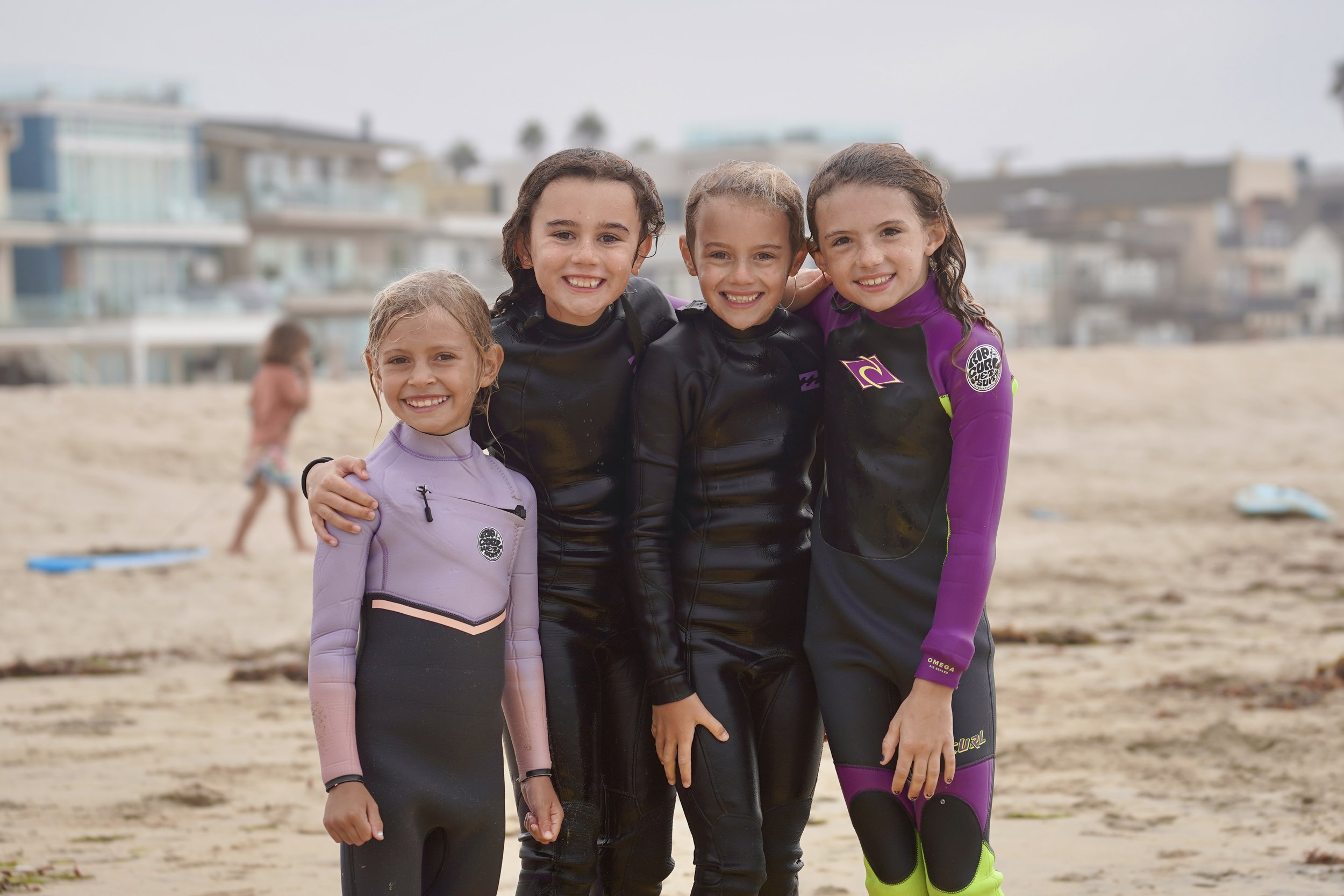
Learn to Surf the Aqualand Way…
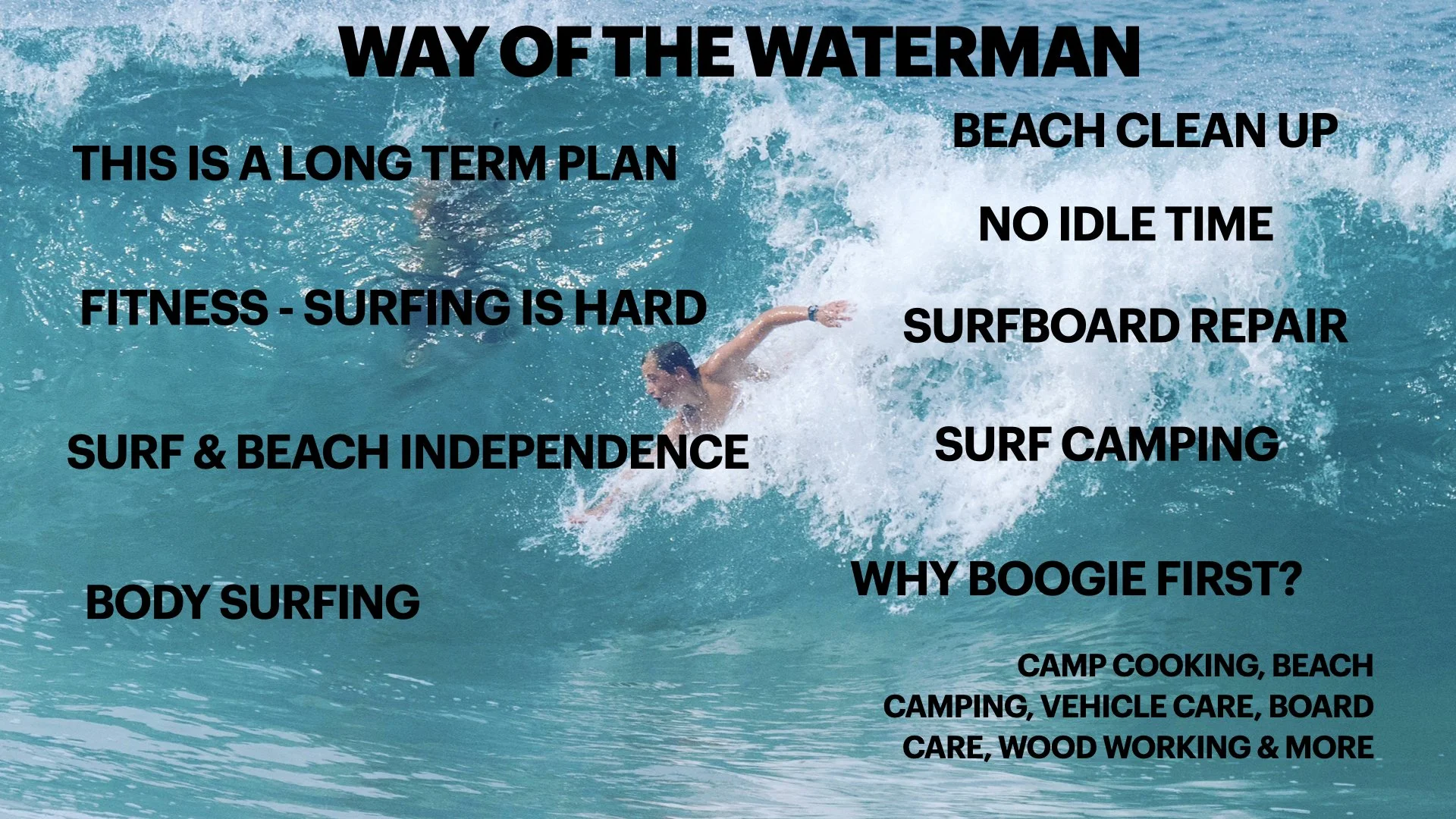
Building independence, ocean awareness, and confidence through homeschool surfing
Getting a child standing on a surfboard is exciting. But at Aqualand, that is only one part of learning to surf.
We want students to learn how to handle their own equipment, understand what the water is doing, catch waves, and make good decisions. Our goal is not to keep pushing a child into waves indefinitely. It is to teach them the skills to do more of it themselves.
For our homeschool students, returning throughout the school year gives us the opportunity to work toward that goal over time. We can revisit skills, build on previous lessons, and get to know the difference between a child who needs more encouragement and one who is ready for a greater challenge.
Boards They Can Actually Handle
Our foam surfboards range from 54 inches to 7 feet. We want students using equipment they can learn to carry, position, paddle, and turn themselves, rather than a giant board that requires an adult to manage every step.
The right board is not simply the smallest one. It needs to suit the child’s size and ability, with enough flotation to support learning.
From the beginning, handling the board is part of the lesson. Getting it to the water, pointing it in the right direction, finding a balanced position, and bringing it back for another wave all count. We are teaching the whole process, not just the standing-up part.
Yes, Sometimes They Surf on Boogie Boards
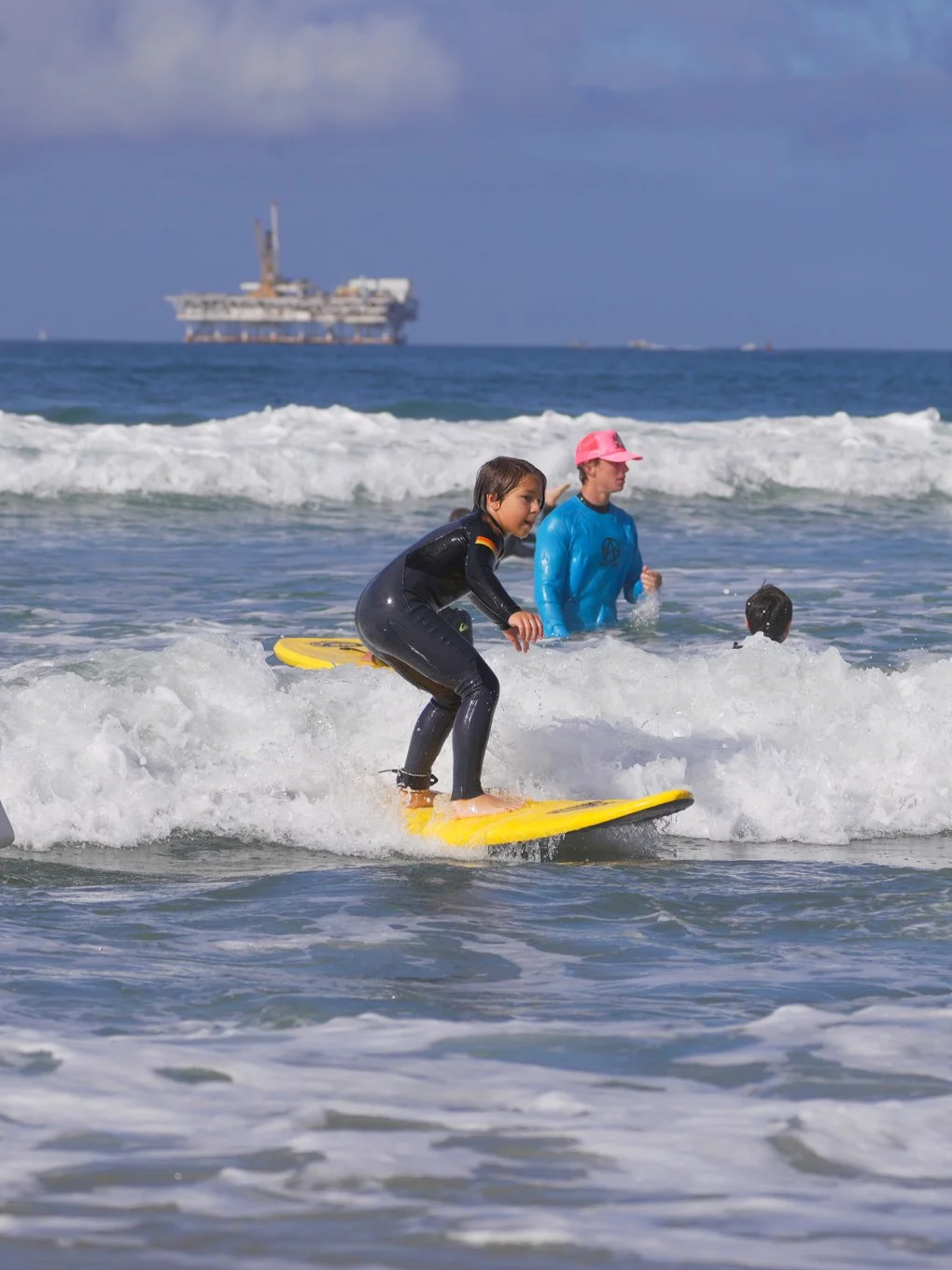
You may see students riding waves on their bellies, kneeling, or even standing on boogie boards. That is intentional.
We use boogie boards to work on wave timing, positioning, balance, and control without making standing on a surfboard the requirement for a successful session. For a smaller child, a manageable board can also provide an opportunity to take more responsibility for the process instead of relying on an instructor to move everything into place.
For some students, the lesson is catching a wave and riding it toward shore. For others, it is experimenting with standing, shifting their weight, and controlling the ride when their instructor determines that is appropriate.
A child riding a boogie board is not sitting out the surf lesson.
We are interested in what they are learning, how much they are participating, and what they can do with less help. Students may use different boards as their skills develop or as the conditions change. A boogie board is one of our teaching tools, not a label for a child’s ability.
Why We Do Not Use Hardboards
Our no-hardboard policy reflects both injury risk and insurance considerations for a youth program.
Students are learning around other students. Wipeouts happen, and a board can strike its rider or another person in the water. Board impacts are a recognized surfing injury risk, which is one reason equipment choices matter.
We use soft equipment while teaching students to control their boards, maintain space, and remain aware of the people around them. Soft boards still require responsible handling.
There is plenty of meaningful progression available on foam boards. Moving to a hardboard is not a requirement for becoming a more capable surfer, and advanced hardboard coaching is not the purpose of this program.
Understanding Where Your Child Is Surfing
Our homeschool surf programs are based at Anderson Street at Surfside. Within a surf session, students do not all need to be in the same part of the water doing the same thing.
When we talk about the inside, we mean the area closer to shore where students can work with waves that have already broken into whitewater. When conditions are appropriate, this is where we practice board positioning, catching waves, popping up, controlling a ride, and returning for another attempt.
The lineup is farther out, where surfers position themselves to catch waves before or as they break. Students who are ready for that next step can work on paddling out, positioning, wave selection, and riding an unbroken wave with instructor support.
Students who are ready for the lineup go to the lineup when conditions allow. Students who are not ready work on the inside, with progression still the goal.
These are not permanent groups. Being older does not automatically mean a student belongs farther out, and being younger does not mean they cannot advance.
The beach itself also matters. Sandbars, waves, and tides influence where waves break and where currents develop. Being close to shore does not, by itself, make an area appropriate for learning.
We choose where students work based on their abilities and the conditions that day, not a fixed expectation that everyone must reach a certain distance from shore.
Matty Leads the Surfing
Matty leads and supervises the surfing portion of our homeschool program, with our instructors supporting students in the water.
Chris & Nat support the surf session before Chris separates with the older Surf & Readiness students for their readiness instruction. Students in the other enrichment groups continue with their age-appropriate activities after surfing.
During surf instruction, our staff are there for the students. They are not spending class time catching their own waves.
They are helping children position their boards, practice paddling, build confidence, and get repeated opportunities to try. Early on, an instructor may steady a board or help a student generate enough speed to catch a wave. As skills improve, that assistance gradually decreases.
Independence means doing more of the work themselves. It does not mean being left without supervision.
Progress Is More Than a Pop-Up
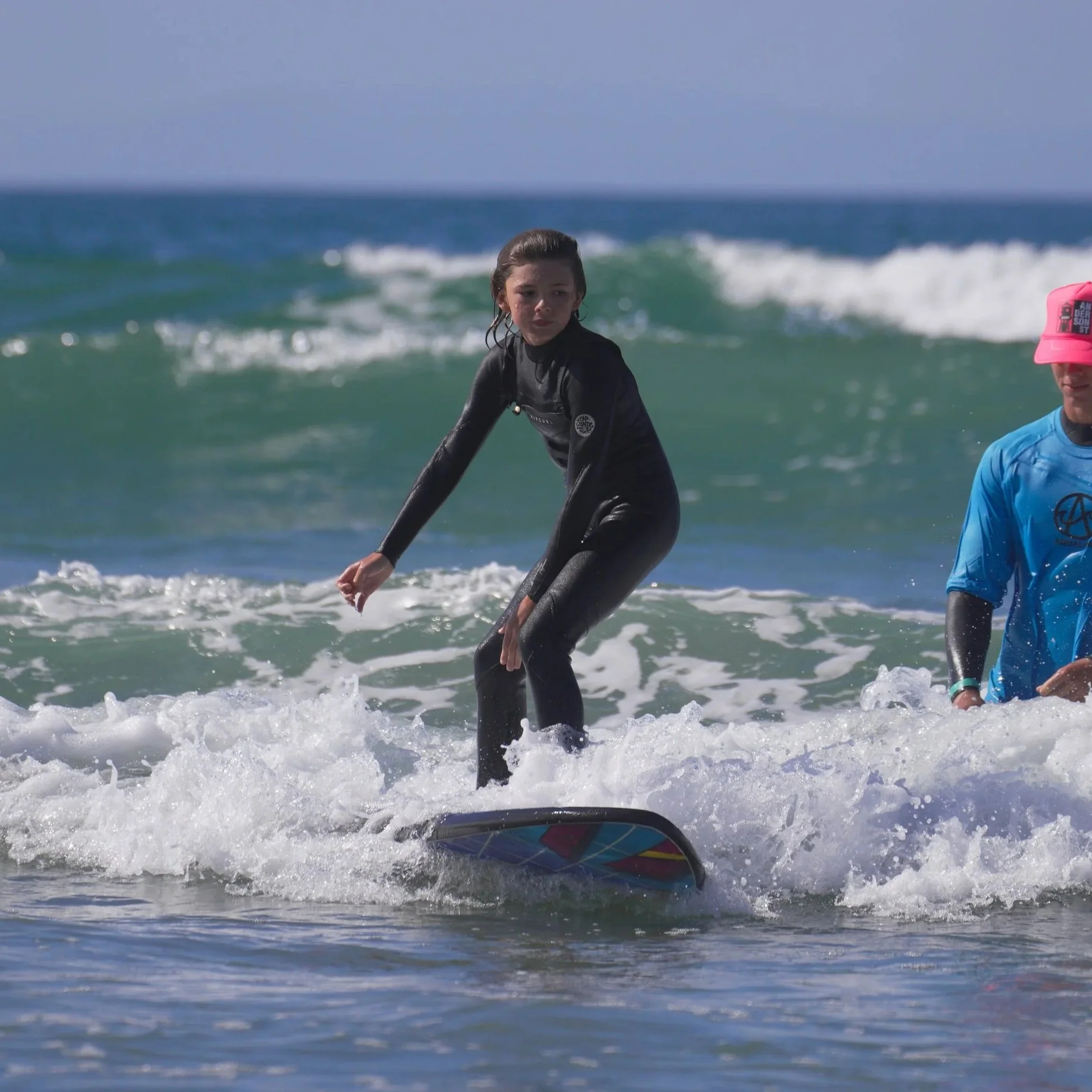
A student who stood up with help last week may spend this week learning to catch a wave without a push. Another may be working on turning their board around independently, returning to the group, or staying composed after a fall.
We also teach students to pay attention to conditions, understand their limits, respect other water users, and practice surf etiquette. Those are part of surfing, not extras added after a child learns to stand.
For our homeschool families, this is physical education with practical responsibility built in. Students practice listening, persistence, judgment, and looking out for others while learning something they can continue to enjoy beyond class.
We will encourage a nervous beginner and challenge a student who is ready for more. We are not trying to make every child’s progress look the same.
The goal is a child who understands more, can do more independently, and is ready for the next step because they have built the skills to take it.
That is learning to surf the Aqualand way.